Best Zombie Movies
Best zombie movies do something no other horror films quite manage: they strip away the ordinary world and show us who people really are when the rules stop working. The monsters matter, of course, but the lasting fear comes from empty streets, impossible choices, and the friends you refuse to leave behind. Whether you love slow, creeping dread or fast, heart-pounding chases, the films below cover every flavour of the genre.
This guide brings together landmark classics, modern blockbusters, heartfelt comedies, and inventive international picks, so there is something here for first-timers and lifelong fans alike. Every film was chosen for its craft and staying power rather than shock value alone. Settle in, pick your starting point, and do not worry — we will point you toward the right scare for your mood without spoiling a single ending.
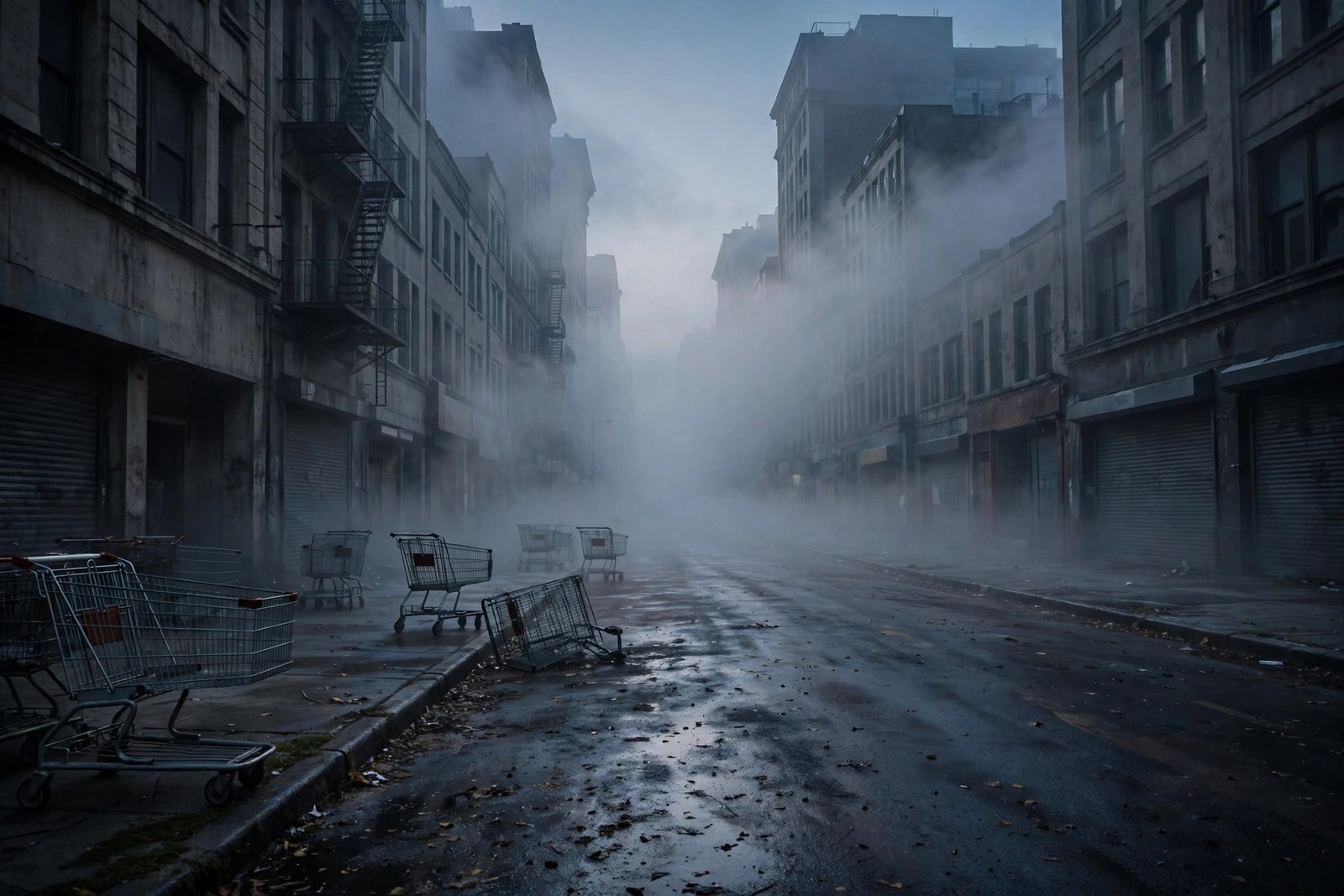
How We Picked These Movies
We built this list by rewatching old favourites, comparing notes with fellow fans, and checking which films keep coming up in conversations years after release. A great zombie film needs more than jump scares: it needs characters you care about, a world that feels believable, and tension that builds instead of simply shouting. We also balanced eras and styles, mixing black-and-white landmarks with recent international hits, so the list works as both a watchlist and a short history of the genre. If you enjoy stories about people enduring impossible odds, our guide to the best survival movies makes a natural companion read.
- Audience response: Films that viewers keep recommending, quoting, and revisiting long after the credits roll.
- Critic reviews: Picks praised by reviewers for direction, writing, performances, and originality, not just effects.
- Ratings: Strong audience and critic scores across major review platforms, checked at the time of writing.
- Rewatch value: Movies that reward a second viewing, whether through detail, humour, emotion, or sheer tension.
The List
Night of the Living Dead (1968)
George A. Romero’s landmark film follows a small group of strangers who barricade themselves inside a rural farmhouse as the dead begin to rise outside. Shot in stark black and white on a tiny budget, it relies on dread, claustrophobia, and painfully human disagreements rather than spectacle. Romero essentially invented the modern zombie here, establishing rules and themes that filmmakers still borrow today. Its social undercurrents, remarkable for 1968, give every rewatch another layer. Start with this one if you want to understand where the entire genre began.
Best for: Genre history and slow-burning dread
Dawn of the Dead (1978)
Romero returned a decade later with a bigger, bolder sequel that traps its survivors inside a shopping mall while society collapses outside. Dawn of the Dead mixes genuine scares with sharp satire about consumer culture, and its colour photography and practical effects still impress. The characters build something close to a life amid the chaos, which makes the danger feel personal rather than abstract. It is longer and more reflective than most zombie films, rewarding patient viewers with one of the genre’s defining achievements.
Best for: Satire, scale, and classic horror craft
28 Days Later (2002)
Danny Boyle reinvented the zombie for a new century with this lean, furious British thriller. Jim wakes from a coma to find London emptied by a rage virus, and the newly infected sprint rather than shuffle. Shot on gritty digital cameras, the film feels uncomfortably real, and its quiet stretches — an abandoned motorway, a silent supermarket — are as memorable as its chases. Cillian Murphy leads an excellent cast, and the story keeps asking how ordinary people hold onto their humanity when civilisation vanishes almost overnight.
Best for: Fast infected and realistic, grounded tension
Shaun of the Dead (2004)
Edgar Wright’s beloved “zom-com” follows Shaun, a likeable underachiever whose plan to survive an outbreak mostly involves rescuing his loved ones and waiting at his local pub. The jokes are brilliant, but the film works because its friendships and heartbreaks are completely sincere — and because the horror is genuinely frightening when it arrives. Wright’s razor-sharp editing and visual gags reward repeat viewings enormously. Simon Pegg and Nick Frost make an unforgettable double act in a film that respects the genre it lovingly teases.
Best for: Laughs with real heart and real scares
[Rec] (2007)
Directed by Jaume Balagueró and Paco Plaza, this Spanish found-footage chiller follows a television reporter and her cameraman as a routine night with firefighters turns into a nightmare inside a quarantined apartment building. Because we see everything through the camera, every corridor feels terrifyingly close, and the handheld style never lets you settle. The film is short, relentless, and best watched in the original Spanish with subtitles, lights down and phone away. Few zombie films generate this much sustained panic from such a simple setup.
Best for: Found-footage intensity and a single-location nightmare
I Am Legend (2007)
Francis Lawrence directs Will Smith as Robert Neville, apparently the last healthy man in a New York emptied by a failed cure, sharing his days with his dog Sam and his research. The deserted Manhattan sequences are stunning — silent avenues, wildlife wandering past famous landmarks — and Smith carries long stretches alone with real warmth and humour. The creatures here are infected rather than traditional zombies, but the film’s questions about loneliness, hope, and responsibility place it firmly in this conversation. A thoughtful blockbuster with a huge heart.
Best for: Big-scale solitude and an emotional lead performance
Zombieland (2009)
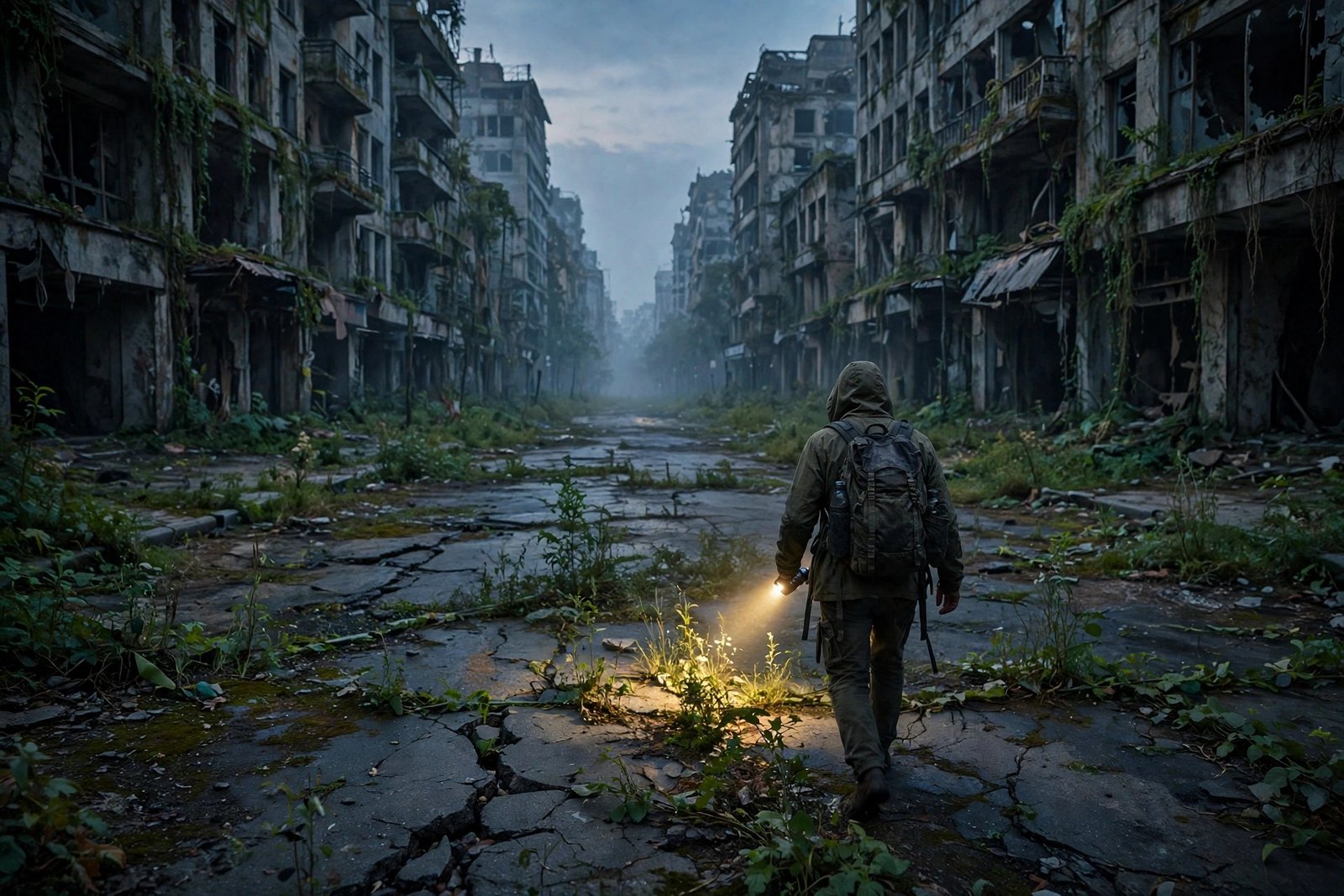
Ruben Fleischer’s road comedy pairs a nervous student, a tough drifter hunting for snack cakes, a pair of resourceful sisters, and a famous surprise cameo on a trip across a zombie-filled America. The film’s on-screen survival rules — cardio, double tap, enjoy the little things — became instant pop culture, and the banter between Jesse Eisenberg and Woody Harrelson is consistently funny. Beneath the gags sits a sweet story about building a family when your own is gone. Light, quotable, and endlessly rewatchable, it is the perfect gateway zombie film.
Best for: Beginners, comedy fans, and road-trip energy
Warm Bodies (2013)
Jonathan Levine flips the genre by telling the story from the zombie’s point of view. R, a young undead man who collects vinyl and forgotten treasures, finds his heart literally stirring when he meets Julie, a living survivor. Nicholas Hoult brings surprising gentleness to the role, and the film plays like a romantic comedy with genuine stakes rather than a parody. It is charming, funny, and quietly hopeful about the idea that connection can bring people back to life — perfect if you prefer warmth alongside your apocalypse.
Best for: Romance, charm, and a gentle apocalypse
World War Z (2013)
Marc Forster’s globe-trotting blockbuster sends Brad Pitt’s former UN investigator racing between countries as he searches for the outbreak’s origin and a way to fight back. The scale is enormous: crowds pour through Jerusalem, a quiet plane journey turns terrifying, and whole cities fall in minutes. Where older films creep, this one sprints, using vast set pieces to show a truly global collapse. It is the most spectacle-driven entry on this list, ideal when you want your zombie movie to feel like a worldwide event.
Best for: Blockbuster scale and nonstop momentum
Train to Busan (2016)
Yeon Sang-ho’s South Korean sensation confines most of its action to a speeding train, where a workaholic father, his young daughter, and a cross-section of fellow passengers face a rapidly spreading outbreak. The confined carriages force constant invention, and the film balances breathless action with genuine emotion — many viewers admit to tears alongside the thrills. Gong Yoo leads a superb ensemble, and every carriage change raises the stakes. Frequently called one of the finest zombie films ever made, it proves how much heart fits inside a thriller.
Best for: Emotion, momentum, and masterful set pieces
The Girl with All the Gifts (2016)
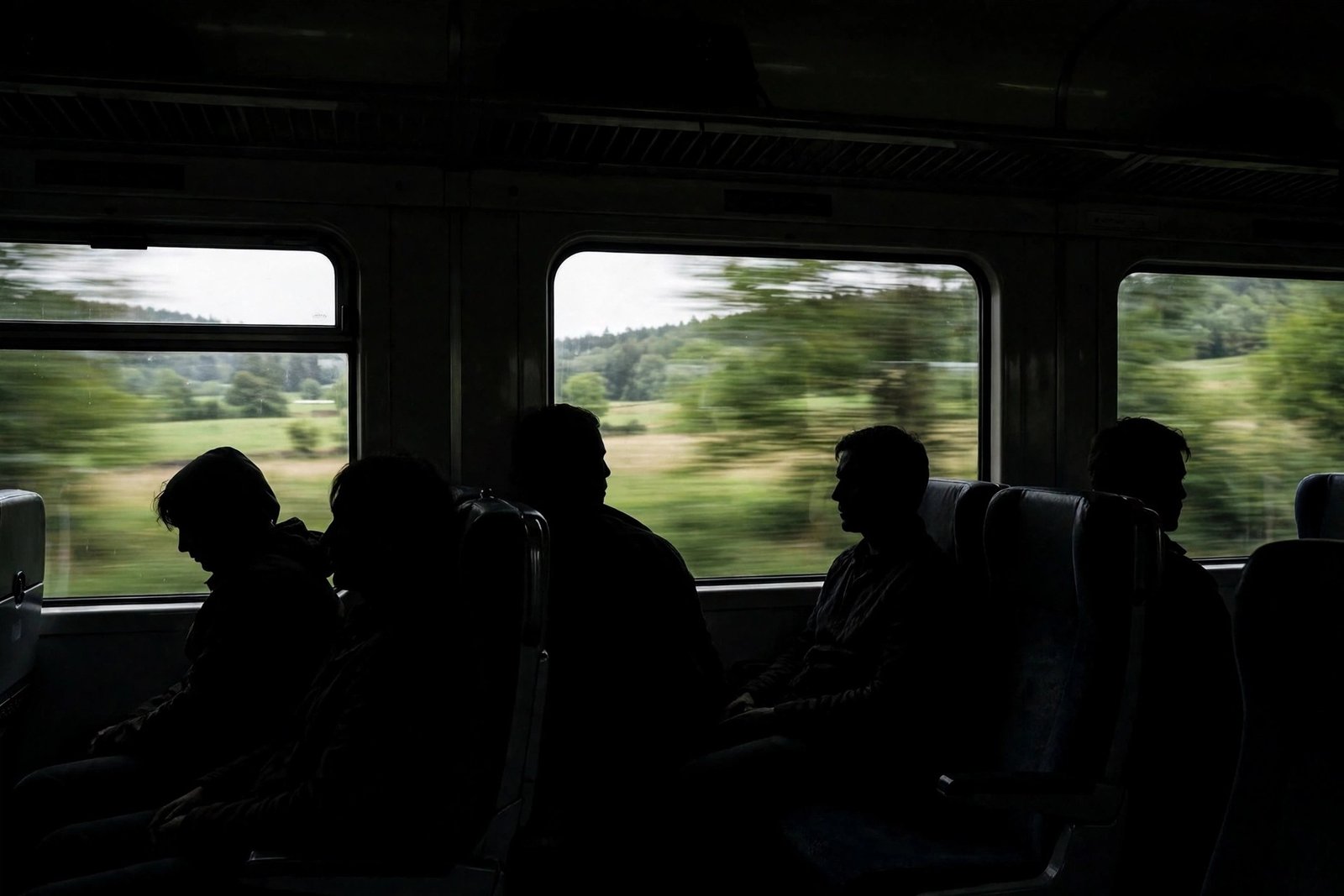
Colm McCarthy adapts M. R. Carey’s novel into a thoughtful British story about Melanie, a bright young girl kept in a military facility after a fungal infection has transformed most of humanity. Gemma Arterton, Paddy Considine, and Glenn Close anchor a film that asks difficult questions about who counts as human and what the next generation inherits. Newcomer Sennia Nanua is extraordinary in the lead. Beautiful, sad, and quietly original, it suits viewers who like their apocalypses philosophical as well as frightening.
Best for: Thoughtful science fiction with real emotional weight
One Cut of the Dead (2017)
Shinichiro Ueda’s Japanese gem begins as a scrappy low-budget zombie shoot before revealing itself as one of the most joyful films ever made about filmmaking itself. Describing its structure would spoil the fun, so trust us: stay with it, because the ingenuity and warmth of its later stretches are remarkable. Made for very little money with a largely unknown cast, it became an international word-of-mouth hit. It celebrates creativity, teamwork, and doing your best with whatever you have — bring tissues for happy tears.
Best for: Ingenuity, laughter, and pure filmmaking joy
Hidden Gem Worth Adding
Two more favourites deserve a place in your queue — one a gripping sequel, the other a first for its national cinema.
28 Weeks Later (2007)
Juan Carlos Fresnadillo directs this intense sequel, set as survivors begin returning to a tightly guarded London months after the original outbreak. The opening farmhouse sequence is famously nerve-shredding, and the film keeps that pressure high while exploring guilt, family, and the danger of declaring victory too soon. Robert Carlyle and Rose Byrne lead a strong cast. It is bleaker than its predecessor, so save it for a night when you want the tension turned all the way up.
Best for: Relentless tension and a darker sequel
Go Goa Gone (2013)
Raj Nidimoru and Krishna D.K. made Bollywood’s first zombie comedy, sending three friends to a rave on a Goan island where a strange new party drug has unfortunate side effects. Kunal Kemmu, Vir Das, and Saif Ali Khan bounce off each other nicely, and the sunny holiday setting makes a refreshing change from grey, ruined cities. The humour is broad, the energy is high, and the film opened a door for genre experiments in Indian cinema. A breezy, unusual pick for a group watch.
Best for: A sunny, funny change of pace
Frequently Asked Questions
What is the best zombie movie for beginners?
Start with Shaun of the Dead or Zombieland. Both explain the genre’s rules while entertaining you, both balance their scares with humour and heart, and neither demands much tolerance for gore. Once you are comfortable, move on to 28 Days Later for intensity or Night of the Living Dead for history. Most of the titles on this list are commonly available on Netflix in many regions, so checking your local catalogue is a good first step before you settle in for the night.
Are these movies very gory?
They vary widely. Warm Bodies and Go Goa Gone keep things mild, Shaun of the Dead and Zombieland play their messier moments for laughs, and the Romero classics aim for tension over explicit detail. We have deliberately focused on suspense, story, and character throughout this list rather than extreme gore. If you are sensitive, check an age rating or a parents’ guide before watching, and remember that atmosphere — not gore — is what makes these films endure.
Which zombie movie is the scariest?
For sheer sustained panic, [Rec] is hard to beat, thanks to its trapped-in-a-building found-footage style. 28 Days Later frightens through speed and realism, while Night of the Living Dead unsettles with claustrophobia and dread rather than shocks. Scary is personal, though: some viewers find the emotional stakes of Train to Busan the hardest to shake. Pick based on your flavour of fear — claustrophobic, fast, or heartfelt — and you cannot go far wrong.
What is the difference between zombies and the infected?
Traditional zombies, following Romero’s model, are the dead returned to life, usually slow and driven by hunger. The infected in films like 28 Days Later are living people changed by a virus, which is why they can run, rage, and — importantly — be cured in theory. Many fans happily group both under the zombie umbrella, and so do we: what matters is the collapse of the normal world and how people respond to it.
In what order should I watch these films?
There is no single required order, but a fun path is chronological: begin with Romero’s classics, jump to 28 Days Later for the modern reinvention, then mix in comedies and international picks to vary the mood. Save One Cut of the Dead for when you know the genre a little — its pleasures grow with familiarity. This article sits within our wider Movie Lists category, where you will find plenty more themed collections to explore next.
Final Thoughts
Zombie films endure because they are never only about zombies. They are about neighbours pulling together, families protecting each other, and the stubborn hope that life finds a way to continue — themes that land differently every time you return to them.
Pick one title from this list tonight, whether it is a black-and-white landmark or a tear-jerking train ride, and let it remind you why this genre keeps rising again. Happy watching — and remember to enjoy the little things.